
Digital Detox Program · 17 to 24 January 2027 · Kokoda Park
Eight days with no phones, no games and no feeds. Just adventure, real friends and the chance to find out what they're capable of.
Free to apply. Applying doesn't commit you. You only pay if a place is offered and you accept it.
Early bird · $2,000 incl. GST · ends 31 October · 22 of 24 places left
Try it: switch the week, drag the slider




Sound familiar?
Australia's under-16 social media ban changed the rules. It didn't change the habits, and it doesn't cover gaming. DDP isn't about taking technology away. It's about showing young people what they gain when screens take up less of their life, and giving your family a plan for when the phone comes back.
You're not alone. In a national poll of almost 2,000 Australian parents, excessive screen time ranked as the number one child health concern (RCH National Child Health Poll).
The bedroom door stays shut.
Headphones on at dinner.
Every "time to log off" becomes a fight.
You miss the kid who used to be outside.
60-second fit check
Six quick taps, one of them for your child to answer. You'll get an instant, personal result.
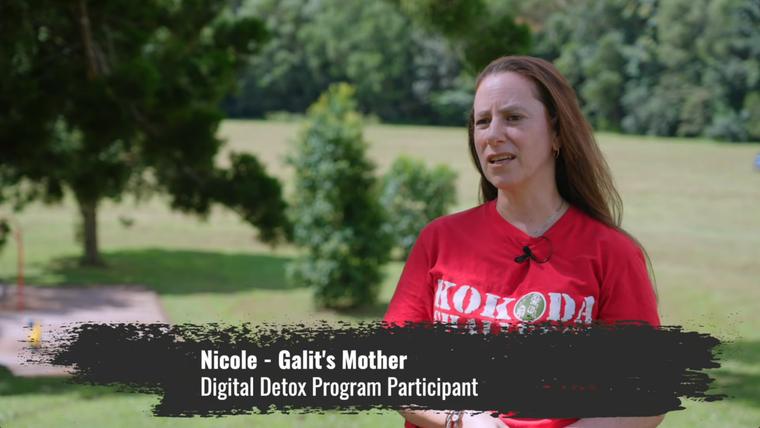
Want to hear it from a parent?
Watch the families, the young people and the national coverage, then read what parents told us afterwards.
"Amazing! My daughter is back and a part of the family, not just an observer."
Parent, DDP15
"Life changing for our family. It was a course correction and gave us the tools, language and vision we needed as a family to navigate tech use."
Parent, DDP15
"Noah has been much more mature around screen time and usage conversations. He is also more communicative and open about his feelings in general."
Parent, DDP9
Findings from our internal follow-up evaluation. Results vary between families, and what happens after camp matters, which is why parents are part of the program. DDP is also being independently evaluated by The University of Queensland, with findings due in early 2027.
The eight days
Eight days, and here is what each one holds. Every day starts at 6am with breathing, a stretch and a morning walk, and ends with journaling and lights out at 8:30pm. Sessions shift a little from camp to camp.
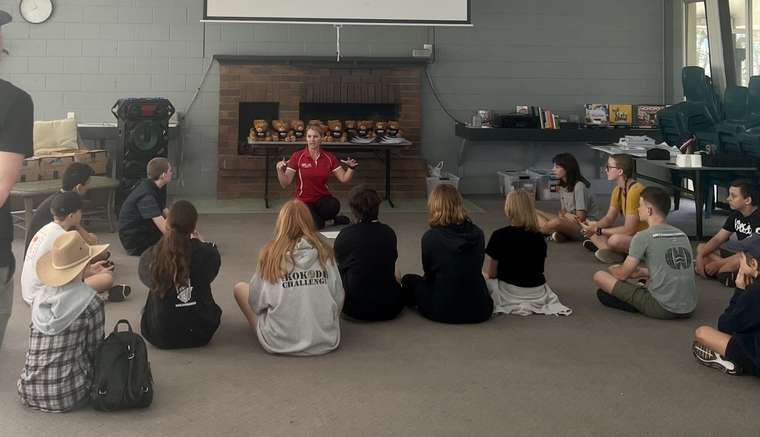
Welcome to camp, an Acknowledgement of Country, and let the adventure begin! Young people come together to build connections, participate in team-building activities, and establish the foundations of their camp community. At the same time, parents begin forming their own supportive network, guided by the Program Coordinator and Program Founder.
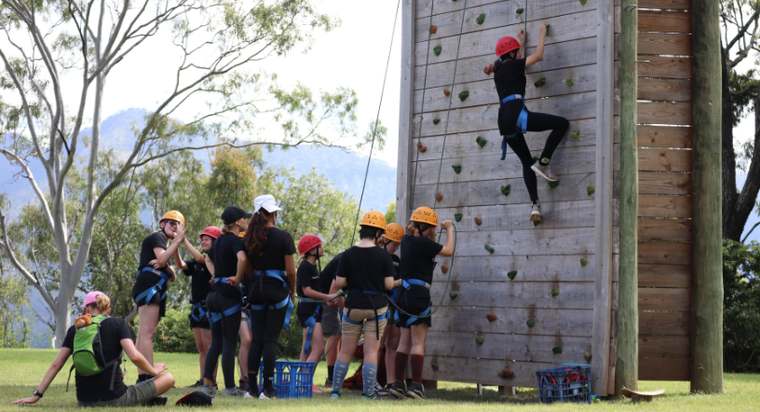
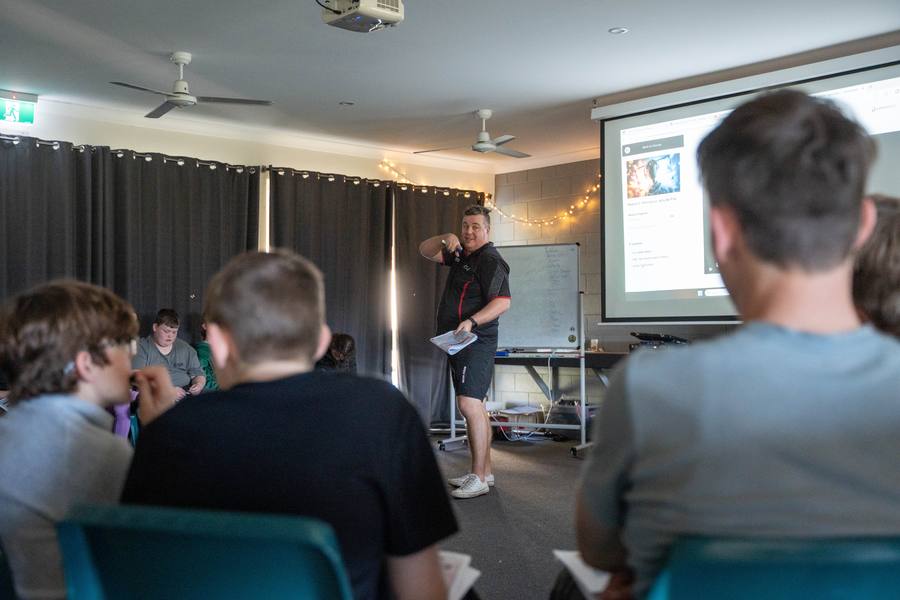
Strap in, buckle up and hold on tight! Day two combines high ropes, climbing wall, giant swing and more, challenging us both physically and mentally. Workshops explore social media, balanced living and gratitude.
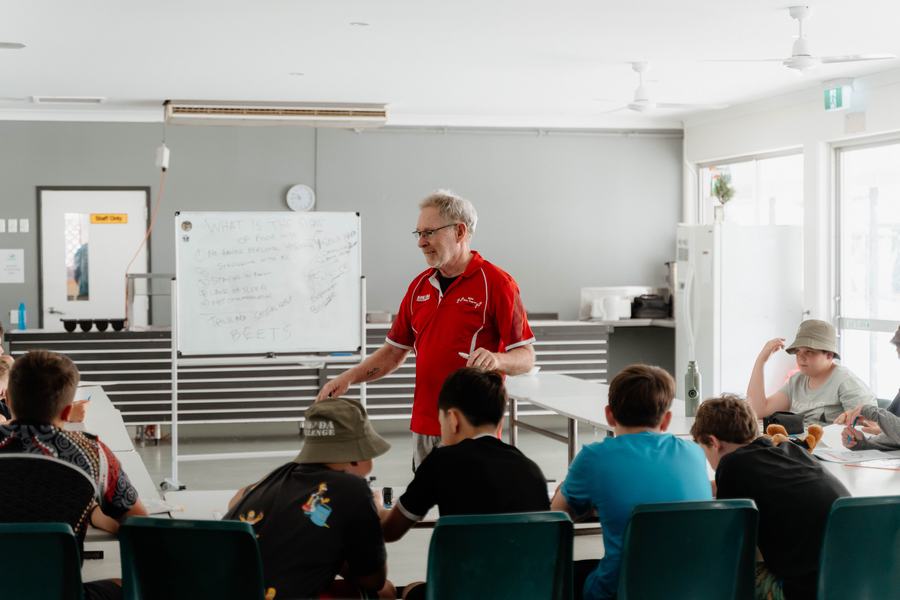
Start the day with Dr Barry as he explains the science of addiction, then gear up and head out on an overnight expedition featuring tents, a campfire, storytelling, stargazing and Indigenous culture.
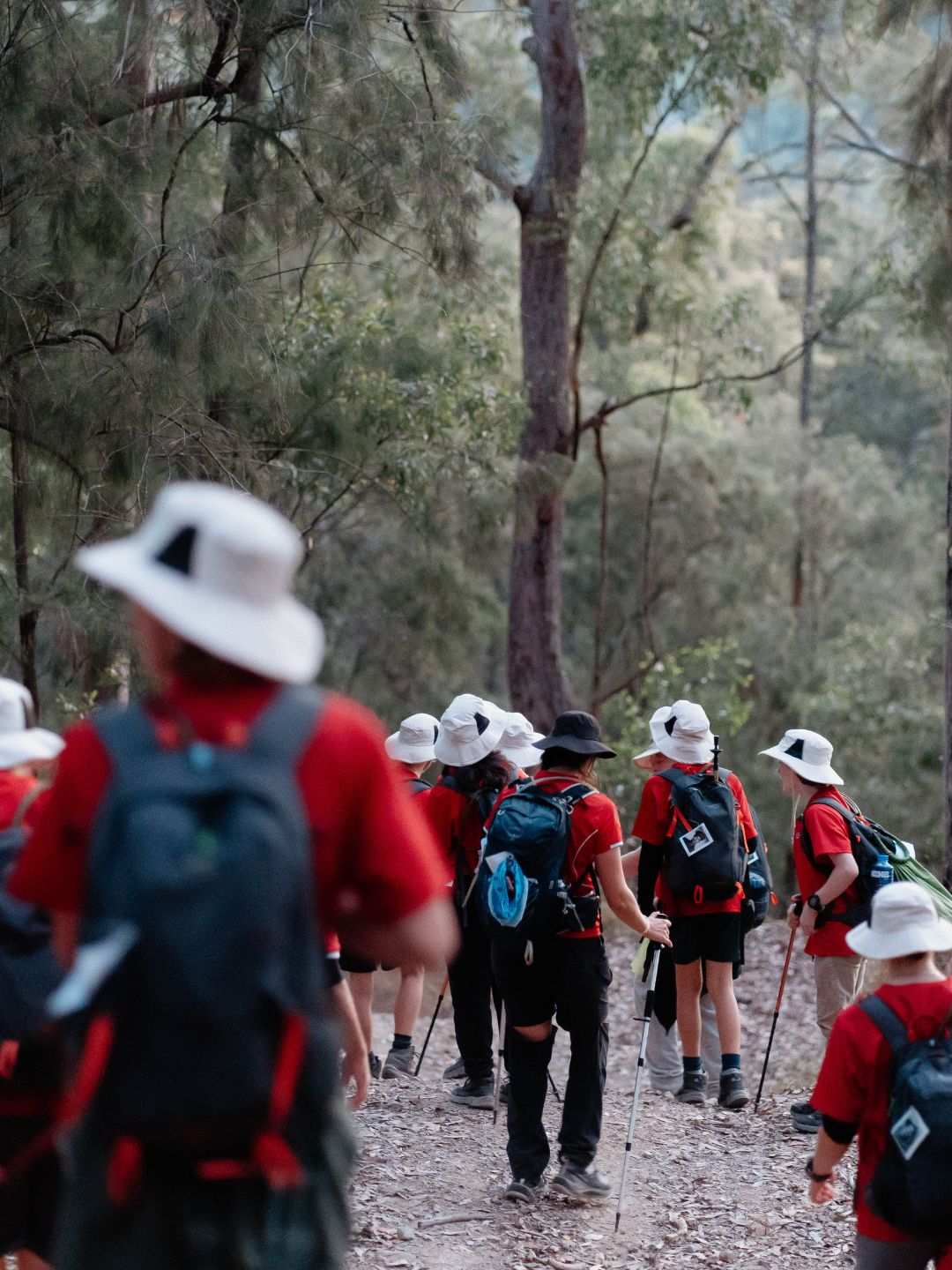
Begin the day with a sunrise reflection on the mountain, explore the creek with your mates and check in with your leader before returning to base for a hearty lunch. In the afternoon, join workshops on nutrition and sleep, then put your questions to a panel of leaders.
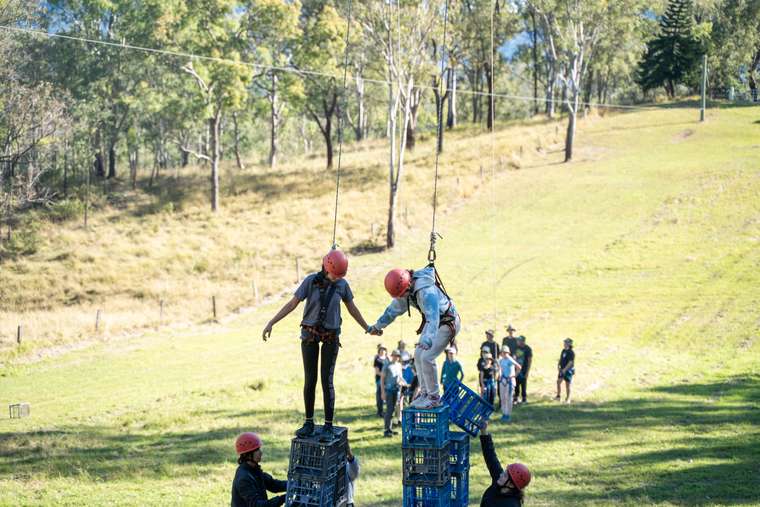
Today is about us growing as people! Let's get real about life and its ups and downs, besides, mental health is as important as physical health right! The day is punctuated with crate stack, ultimate frisbee, a swim and gaming session. Close the night out around a fire pit chat.
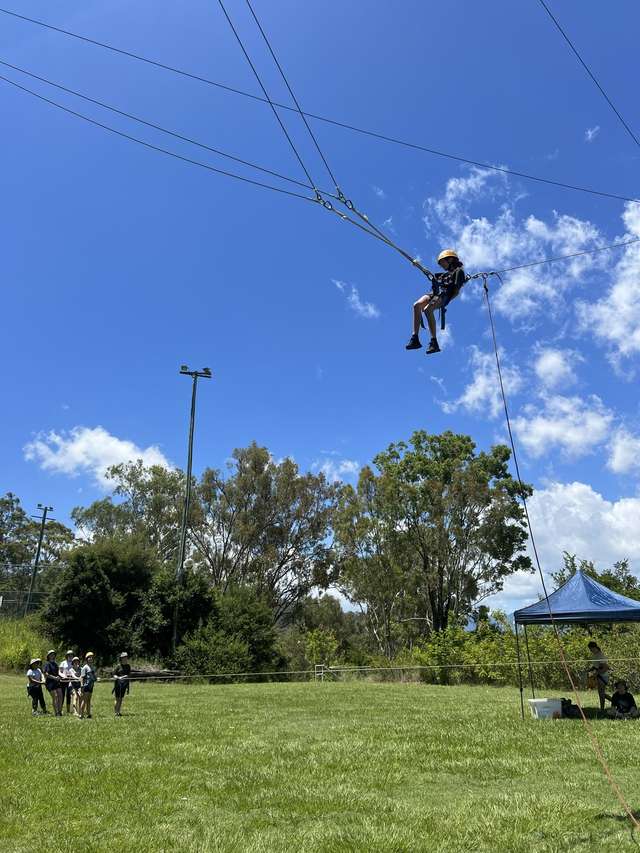
Another jam-packed day with Archery, The Amazing Race, and nighttime Flying Fox. Workshops include mindfulness, communication and creating your own adventure list.
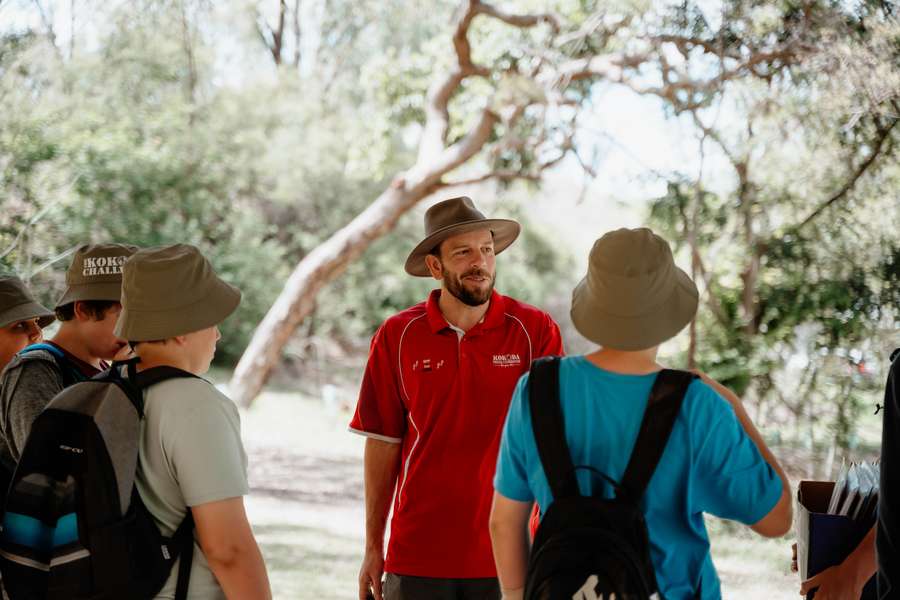
A beautiful reunion of parent and child starts off the day. The young people then work on some future plans for themselves whilst the parents group are brought up to speed on our learnings with Dr Barry. Build a tech plan, parents vs kids Ultimate frisbee and a nighttime camp fire dinner. Parents take the dorms and the kids camp out together for the last night!
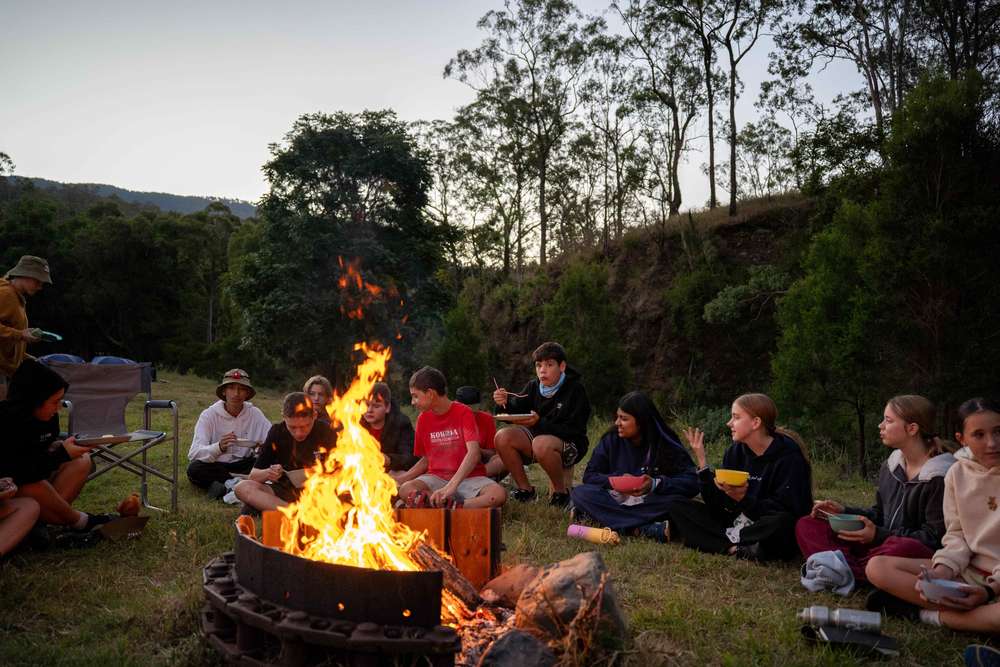
Approaching the finish line now with only a parent and child morning walk, combined crate stack and breakfast between you and graduation! Stand tall as we celebrate what you have achieved together as a cohort. This is your moment, a new beginning, congratulations!
Workshops through the week
Parents: this next bit is written for your 12 to 14 year old
Nobody's pretending that handing in your phone sounds fun. Here's what you get instead.
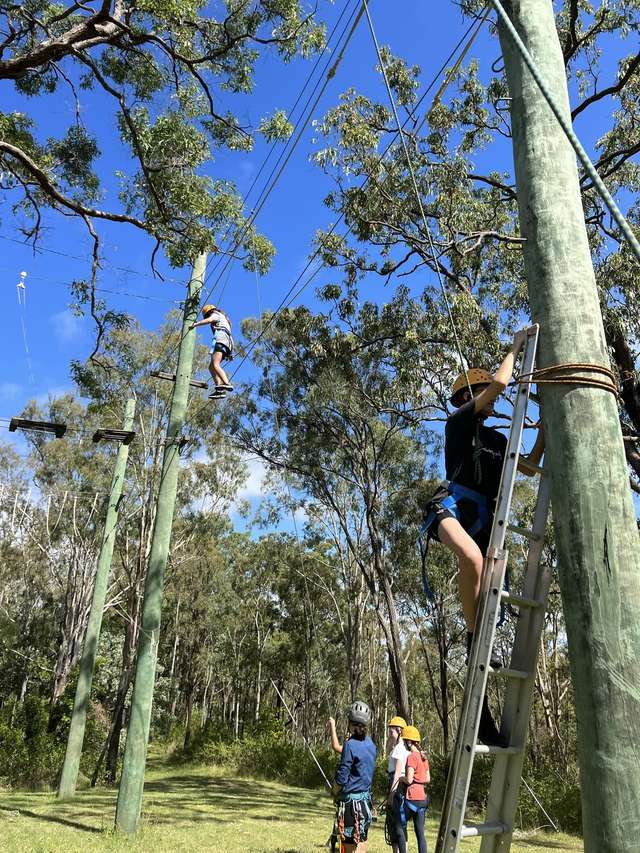
"My favourite thing was making new friends and trying activities where I had to overcome my fears."
Jake, DDP participant"Originally I didn't embrace the idea, because I thought I was completely under control. My favourite thing was all the amazing activities, and the way everyone bonded."
Harry, DDP participant"My nerves were through the roof. My favourite thing was the opportunity to meet a variety of new people."
Gabriel, DDP participantWhat they bring home
They stand at the top of the giant swing and step off. That feeling comes home with them.
A week of face-to-face mateship with kids who are going through the same thing.
A tech agreement you build together, so the phone comes back on terms the whole family set.
Practical ways to switch off, calm down and sleep better, built around the BEETS framework.
The Kokoda values
Step outside your comfort zone and stand up for what matters, whether that's a rope course or a hard conversation at home.
Stay the journey and never give up, including on the days when eight days feels like a long way from home.
Act with integrity, welcome everyone and have each other's back. Nobody gets left behind at the back of the hill.
Serve something bigger than yourself, which for a family often starts with putting the phone down for each other.
Safety at a glance
Who built this, and who runs it
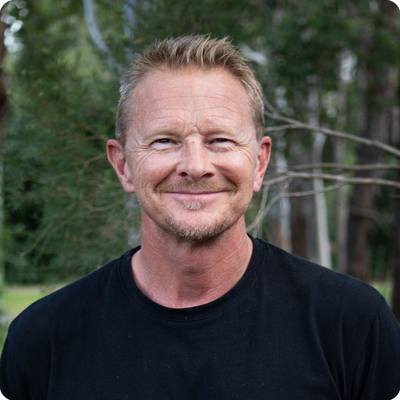
BBus, DipCouns · Digital Detox Program Coordinator
Chris is passionate about helping families restore a healthy balance between technology use and real-life connection, and has served as Digital Detox Program Coordinator since 2022.

GDPsych (ANU), PhD (ANU), M.Ec (Monash), BCom (Newcastle), CPA Fellow (Retired), GoAH (Retired)
Dr Barry founded this program based on evidence informed design which aligns with the Transtheoretical Model of Behaviour Change, which helps individuals navigate stages of change and understand the cognitive and behavioural processes involved in modifying health behaviours. Barry brings to the program a wealth of experience across research and mental health practices.
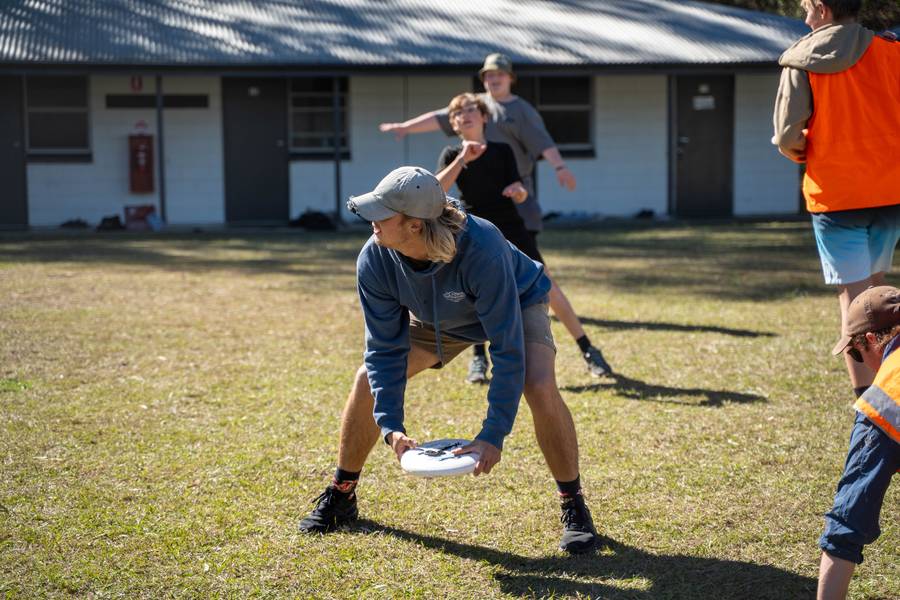
The Program Team is a dynamic group of leaders with backgrounds in youth work and outdoor education. United by one purpose on every program, our team helps each child discover more about themselves, connect more fully with the world and others, and understand the role technology should play in their lives.
Not a boot camp. DDP is built on encouragement and mentoring, not punishment. Young people are challenged, and always supported.
Not a clinical service. If your child needs psychological treatment, we'll tell you honestly and help you find the right support.
Kokoda Park, Thornton
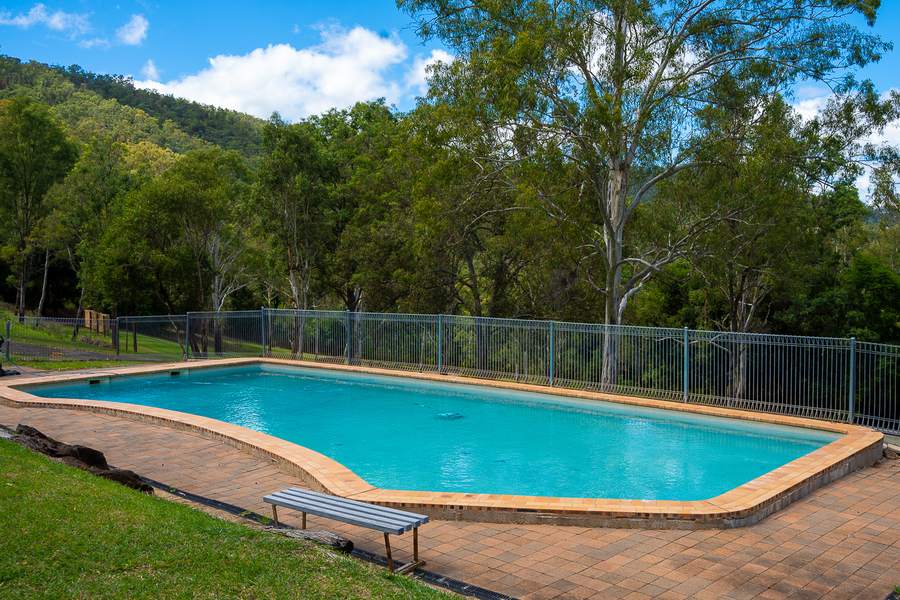
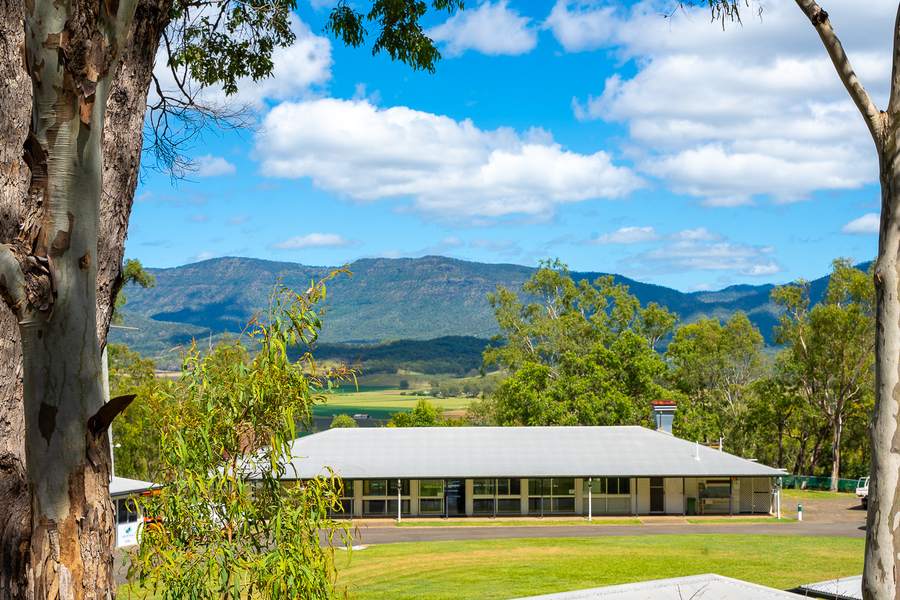
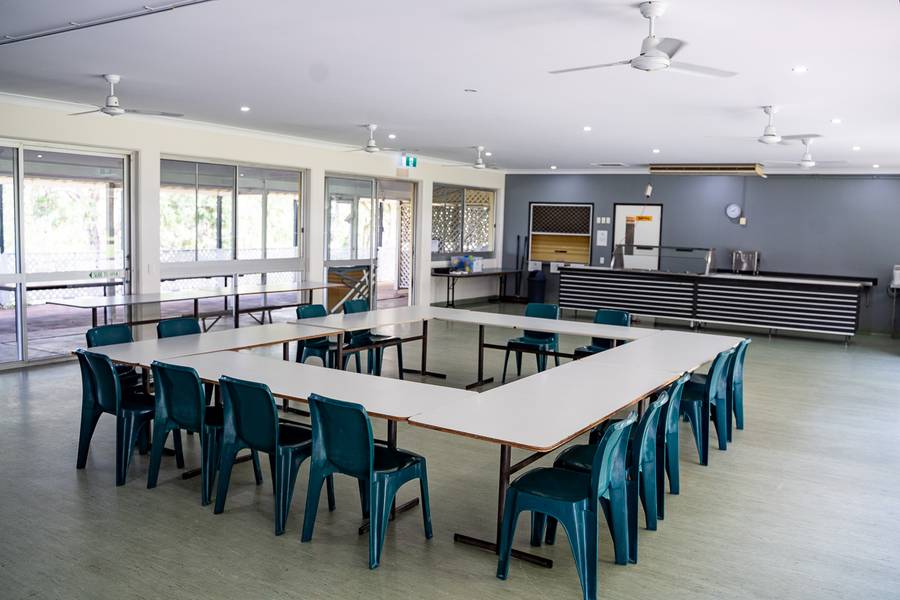
Our own outdoor education centre in the Lockyer Valley, about 90 minutes from Brisbane. Cabins, an on-site kitchen, a pool, and a full adventure course built for this age group.
Why Kokoda
The Kokoda Youth Foundation was founded on the Gold Coast in 2004 to change lives through the spirit of Kokoda. Digital Detox is the newest program in a family of youth programs that has been running for more than twenty years.
Patron: Keith Payne VCDuke of Edinburgh International Award CentreFounded by Doug Henderson OAM
Your investment
Money raised by Kokoda Challenge participants funds our youth programs. For January, that community contributes $2,200 towards every young person's place. Apply before 31 October and early bird pricing takes another $200 off.
Whichever of those two dates comes first. Your place is held once the deposit is paid.
Apply for JanuaryFree to apply. You only pay if a place is offered and you accept it.
"Life changing for our family." Parent, DDP15
Indicative published prices for Australian youth holiday programs, 2026.
How to join
Ten minutes. Tell us about your young person and what’s going on at home.
Free. No payment.One hour on Teams with our Program Coordinator, with you and your young person, to get to know them, answer your questions and make sure DDP is the right fit. If it is, we’ll invite you to move forward by paying the $400 deposit at the end of the call. See available times.
Choose what works for your family. Pay the remaining balance in full, or set up a payment plan.
The countdown begins. Eight days. New experiences. New connections. A fresh perspective.
Not every applicant is offered a place. If yours is not, you pay nothing. Payment and finance options.
Questions parents ask
About the program
DDP is an eight-day Adventure with Purpose program for young people aged 12 to 14 and their families. It isn't about taking devices away or teaching young people that technology is bad. It gives them time away from their usual digital environment to explore their relationship with technology and experience what life can offer when screens take up less of their time.
Across the eight days, adventure, challenge, connection and learning come together through high and low ropes, zip lines, rock climbing, archery, expedition and team challenges, alongside workshops on social media, gaming, wellbeing, mindfulness, relationships and healthy technology use. Parents are brought into the process too, so families can develop healthier boundaries and a shared approach at home. The goal isn't a life without technology. It is helping young people use technology in a healthier, safer and more purposeful way, without it getting in the way of everything else that matters.
No. DDP is not a boot camp, and it isn't about punishing young people for using technology. It is a youth development program that combines adventure, mentoring, digital wellbeing and personal development. Young people are encouraged to step outside their comfort zone, take on challenges, build confidence and resilience, connect with others and experience what life can look and feel like when screens take up less of their time.
There are expectations and boundaries, and some parts of the eight days will be challenging, but young people are supported throughout by the DDP team. The focus is on encouragement, relationships and learning, rather than punishment or simply taking devices away.
There are no guarantees, because every young person and family is different. DDP isn't a quick fix or an eight-day break from devices that magically changes everything. It gives young people the opportunity to experience life with less screen time, understand their own habits, connect with others and discover experiences beyond their devices, while parents are given practical strategies for healthier boundaries at home.
Our internal follow-up evaluation has found positive changes after DDP, including parent-reported improvements in problematic technology use three months after the program. Results vary between families, and what happens after camp matters. That is why DDP involves parents and includes six weeks of post-program support.
Your contribution includes six weeks of online post-program support, with a one-hour group Teams session each week. Parents, carers and others involved in supporting the young person are welcome to attend.
These sessions help families turn what was learned at DDP into practical changes at home, with support from the DDP team and external experts. Topics include maintaining positive changes, setting healthy boundaries, improving family conversations about technology, and working together towards a more balanced relationship with screens.
Your child
It's very normal for a young person to be hesitant about DDP. Eight days away from home, without their phone or devices and often without knowing anyone else, can feel like a big step. We've had young people arrive reluctant or nervous and go on to really embrace the experience. One parent told us their son was reluctant as camp approached, but by the end "he didn't want to leave". Show your child the section above written especially for them, and the pre-program video chat gives them a chance to meet the team and ask questions before they arrive.
Parents sometimes need to make decisions based on what they believe is best for their child, even when their child isn't initially enthusiastic. If technology use is affecting family life, relationships or other important parts of their life, consider not only "Does my child want to go?" but also "Am I comfortable if nothing changes?"
No. DDP isn't only for young people whose technology use has reached a crisis point. It is designed for 12 to 14 year olds whose screens, whether gaming, social media, videos or simply being constantly online, are taking up more of their life than their family feels is healthy. There doesn't need to be a diagnosis or a serious addiction. Families may choose to address their concerns before technology use becomes a much bigger issue.
DDP also isn't based on the idea that eight days without devices will simply fix a young person. Parents are part of the process too, because lasting change is more likely to require changes at home as well.
Yes. Gaming is the single most common reason families come to us. Games are built to be hard to put down, with rewards, streaks and friends waiting on the other side, and that is exactly what the workshops unpack. Your young person will sit with others who game as much as they do, spend eight days finding out what else holds their attention, and come home with a plan for how gaming fits into their week rather than filling it. You build that plan with them on the final two days.
Homesickness is completely normal, particularly when a young person is away from home and their usual routines for eight days. Some young people may have a difficult moment or tell us they want to go home. Our approach is to support them through those feelings rather than automatically sending them home at the first hard moment. The DDP team will provide reassurance, encouragement and practical support, while helping them stay involved and connected with the group.
If homesickness becomes persistent or we have concerns about your child's wellbeing, the Program Coordinator will contact you so we can work through the situation together. If leaving the program is being considered, you will be involved in that decision. Your child's safety and wellbeing always come first.
For the most part, parents and young people don't communicate directly during the eight-day program. This is intentional. Time away from home, phones and normal routines gives young people the opportunity to immerse themselves in the experience, build new relationships and develop independence with support from the DDP team. You won't be completely in the dark. Parents and carers receive photos and program updates through a group chat on days 1, 4 and 6, along with information and resources to help you stay connected with what your child is learning.
If your child becomes unwell or injured, experiences significant homesickness, or there is a wellbeing or behavioural concern requiring your involvement, the Program Coordinator will contact you directly.
Safety and suitability
The safety and wellbeing of young people is our highest priority. Kokoda Youth Foundation has more than 20 years of experience working with young Australians, and DDP is delivered within our established child safety, risk management and emergency procedures.
Young people are supervised throughout by a carefully selected team. Staff working directly with participants hold the required Blue Cards and bring experience and qualifications across youth work, outdoor education and leadership. Adventure activities are led by appropriately qualified outdoor education staff. All staff hold first aid and CPR qualifications, with outdoor leaders also trained in wilderness first aid. DDP is designed to give young people opportunities to challenge themselves and take appropriate risks, not unnecessary ones.
Please tell us about any medical conditions, allergies, medications or dietary requirements in your child's application so we can understand their needs and plan appropriately before camp. Dietary requirements can be catered for, and any medication your child requires during DDP will be managed by the program team in accordance with the information and instructions you provide.
If your child becomes unwell or is injured during the program, our team will provide appropriate first aid and assess whether further medical care is needed. For a serious injury or medical emergency, we will seek professional medical assistance immediately and contact you as soon as it is reasonably practicable to do so. Emergency care will not be delayed while we attempt to reach a parent or carer.
DDP is generally designed for young people aged 12 to 14, with 11 or 15 year olds considered case by case. After you submit an online application, the Program Coordinator will review it and, where appropriate, invite you and your child to a video interview. This is our chance to get to know your child, understand their needs and circumstances, explain what the eight days involve, and decide whether DDP is an appropriate environment for them. An application or interview does not automatically guarantee a place.
DDP is an active, team-based youth development program, not a clinical or psychological service. We consider your child's physical and emotional wellbeing, behaviour and support needs, ability to participate safely in a residential and adventure program, and any circumstances that could significantly affect their safety or the wellbeing of the wider group. A diagnosis or particular circumstance does not necessarily exclude a young person, but some needs may be beyond what DDP can safely provide. Open and accurate information from families is essential so we can make an informed decision.
You pay nothing. Not all applicants are offered a place, as we aim to ensure the program is the right fit for each participant.
Payment and cancellation
Talk to us. We are finalising an external payment plan option for families who would prefer to spread the cost, and we will confirm the details in writing before you are asked to pay anything beyond the deposit. Families facing hardship should also talk to us. We would rather find a way than lose a young person who needs the program.
We understand that plans can change. Once your child has been accepted into DDP, a $400 non-refundable deposit secures their place and forms part of the total your family pays. The remaining balance must be paid, or an approved payment plan confirmed, within 30 days of paying the deposit or at least 14 days before the program begins, whichever comes first.
If you need to postpone, you can request to transfer your child and any payments already made to the next scheduled DDP, provided you let us know more than 14 days before camp. Within 14 days, transfers are generally only considered for circumstances such as illness or injury supported by a medical certificate, or a genuine family emergency. A participant may receive one transfer only, to the next scheduled program. If you cancel rather than transfer, the $400 deposit is retained and, subject to the terms and conditions, amounts paid above the deposit are returned.
Different conditions apply once the program has started, including if a participant chooses to withdraw or needs to be removed for safety or behavioural reasons. The full Payment, Cancellation, Transfer and Withdrawal Terms and Conditions are provided before you are required to make payment.
17 to 24 January 2027 · Kokoda Park
Twenty-four places. Early bird pricing until 31 October. When January fills, applications move to the waitlist for the next program.
Free to apply. You only pay if a place is offered and you accept it.
Places are offered after an application and video interview. Prices in Australian dollars including GST. The $4,400 program fee is reduced by a $2,200 contribution from Kokoda Youth Foundation for families enrolling in the January 2027 program. Early bird pricing of $2,000 applies to applications received by 31 October 2026. From 1 November 2026 the price is $2,200. The payment, cancellation, transfer and withdrawal terms are provided before payment. Kokoda Youth Foundation ABN 39 367 906 920.
Questions before you apply?
Chris Emert runs the Digital Detox Program. Call or message him and ask anything, there is no obligation and you do not need to have applied.
0411 269 778 ddp@kokodayouthfoundation.comFree to apply. You only pay if a place is offered and you accept it.